

Inomyalgia Exploring Muscle Pain Conditions, Causes, Symptoms, and Modern Treatment Approaches

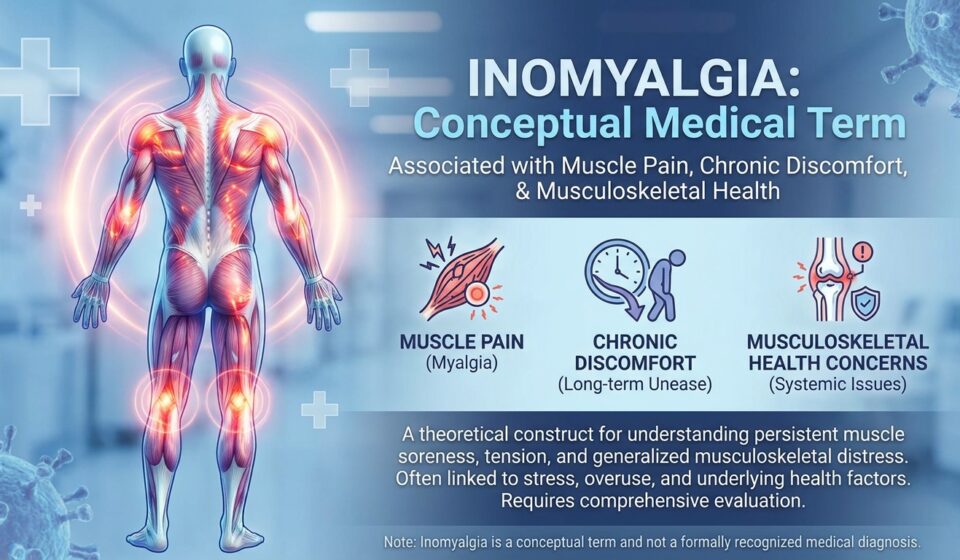
Inomyalgia is a conceptual medical term that can be associated with muscle pain conditions, chronic discomfort, and musculoskeletal health concerns. While not a formally recognized clinical diagnosis, it can be understood as a descriptive concept referring to generalized muscle pain and sensitivity affecting daily movement, physical performance, and overall quality of life.
Muscle pain is one of the most common health complaints worldwide, affecting people across all age groups. It can result from physical strain, stress, injury, lifestyle habits, or underlying medical conditions. Inomyalgia symbolizes the broader understanding of how muscle pain develops and how it can be managed through modern medical and lifestyle approaches.
Understanding Muscle Pain
Muscle pain, also known as myalgia in medical terminology, refers to discomfort or aching sensations in muscles. It can be localized to a specific area or spread throughout the body, depending on the cause.
Muscle pain may occur suddenly due to injury or develop gradually due to chronic conditions or repetitive strain. It can range from mild soreness to severe pain that limits movement and daily activities.
Inomyalgia represents this broad category of muscle-related discomfort and its impact on human physical health.
Common Causes of Muscle Pain
There are many possible causes of muscle pain. One of the most common is physical overuse, such as intense exercise, heavy lifting, or repetitive movements. When muscles are strained beyond their capacity, small tears can occur, leading to soreness and inflammation.
Other causes include poor posture, stress, viral infections, dehydration, and lack of physical activity. Certain medical conditions, such as fibromyalgia or autoimmune disorders, can also contribute to chronic muscle pain.
Inomyalgia reflects the wide range of factors that can lead to musculoskeletal discomfort.
Symptoms Associated with Muscle Pain
Muscle pain can present in different ways depending on its cause and severity. Common symptoms include aching, stiffness, tenderness, and reduced range of motion.
Some individuals may also experience muscle cramps, fatigue, or localized swelling. In chronic cases, pain may persist even without physical activity.
Inomyalgia represents these varied symptom patterns that affect muscular health and mobility.
Acute vs Chronic Muscle Pain
Muscle pain is generally classified into acute and chronic forms. Acute muscle pain occurs suddenly and is usually linked to injury, overexertion, or temporary strain. It typically resolves within a short period with rest and basic care.
Chronic muscle pain lasts for longer periods and may be associated with underlying health conditions or ongoing stress factors. It often requires more comprehensive treatment and lifestyle adjustments.
Inomyalgia can be understood as encompassing both acute and chronic muscle pain experiences.
Role of Inflammation in Muscle Pain
Inflammation plays a key role in muscle pain development. When muscles are injured or stressed, the body initiates an inflammatory response to begin the healing process.
While short-term inflammation is beneficial, prolonged inflammation can contribute to ongoing pain and tissue sensitivity.
Understanding inflammation is essential for managing conditions associated with muscle discomfort such as inomyalgia.
Lifestyle Factors Affecting Muscle Health
Lifestyle choices significantly influence muscle health. Lack of physical activity can lead to muscle weakness and stiffness, while excessive physical strain can cause injury and fatigue.
Poor nutrition, dehydration, and inadequate sleep can also contribute to muscle discomfort. Stress and anxiety may further intensify muscle tension and pain perception.
Inomyalgia highlights the importance of balanced lifestyle habits in maintaining healthy muscles.
Diagnosis of Muscle Pain Conditions
Diagnosing muscle pain typically involves a physical examination, medical history review, and sometimes imaging or laboratory tests. Doctors aim to identify whether the pain is due to injury, infection, or an underlying condition.
In chronic cases, additional evaluations may be needed to rule out autoimmune or neurological disorders.
Inomyalgia represents the diagnostic process involved in understanding complex muscle pain conditions.
Treatment Approaches for Muscle Pain
Treatment for muscle pain depends on its cause and severity. Common approaches include rest, physical therapy, pain relief medications, and anti-inflammatory treatments.
Heat and cold therapy are often used to reduce pain and swelling. Stretching exercises and gradual physical rehabilitation can also improve muscle function.
Inomyalgia symbolizes the wide range of treatment options available for managing muscular discomfort.
Physical Therapy and Rehabilitation
Physical therapy plays a key role in restoring muscle strength and mobility. Therapists design personalized exercise programs to improve flexibility, reduce stiffness, and prevent future injury.
Rehabilitation may also include massage therapy, posture correction, and guided movement training.
Inomyalgia reflects the importance of structured rehabilitation in long-term muscle health management.
Role of Nutrition in Muscle Recovery
Nutrition is essential for muscle repair and recovery. Proteins support muscle rebuilding, while vitamins and minerals such as magnesium, calcium, and vitamin D contribute to muscle function.
Hydration is also important for maintaining muscle elasticity and preventing cramps.
Inomyalgia highlights the connection between dietary habits and muscular well-being.
Stress and Muscle Tension
Stress has a direct impact on muscle health. When the body experiences stress, muscles often become tense, leading to discomfort and pain.
Chronic stress can contribute to persistent muscle tightness, particularly in areas such as the neck, shoulders, and back.
Inomyalgia represents the relationship between psychological stress and physical muscle pain.
Preventing Muscle Pain
Preventing muscle pain involves maintaining a healthy lifestyle. Regular exercise, proper posture, and adequate hydration are key preventive measures.
Warming up before physical activity and cooling down afterward can also reduce the risk of injury.
Inomyalgia emphasizes the importance of preventive care in maintaining long-term musculoskeletal health.
Future Understanding of Muscle Pain Conditions
Advancements in medical research continue to improve understanding of muscle pain mechanisms. Emerging technologies in diagnostics, imaging, and personalized medicine may lead to more effective treatments.
Future approaches may also focus on integrating physical, neurological, and psychological factors in pain management.
Inomyalgia represents this evolving perspective on muscle pain and its treatment.
Conclusion
Inomyalgia symbolizes the broad concept of muscle pain and its impact on physical health, lifestyle, and overall well-being. While not a formal medical diagnosis, it reflects the complex nature of musculoskeletal discomfort and the many factors that contribute to it.
From lifestyle habits and stress management to medical treatment and rehabilitation, muscle pain requires a holistic approach for effective management.
As medical science continues to advance, understanding conditions like inomyalgia will help improve treatment strategies and enhance quality of life for individuals experiencing muscle-related discomfort.