

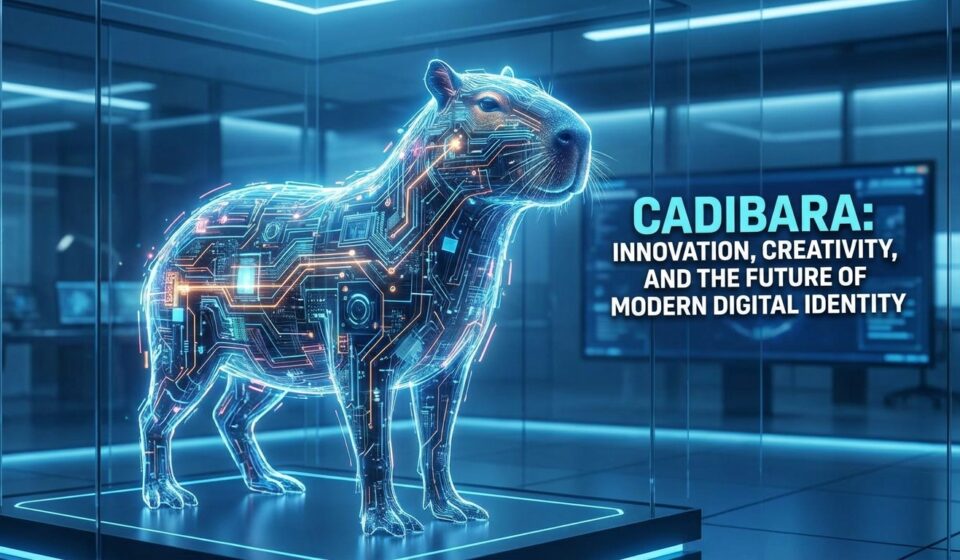

In today’s rapidly evolving digital world, unique concepts and modern identities play a major role in shaping how businesses, creators, and technology platforms connect with people. Cadibara represents a contemporary idea associated with adaptability, innovation, creative thinking, and intelligent digital evolution. As industries continue transforming through technology, automation, and global connectivity, concepts like Cadibara become increasingly relevant because they symbolize progress and modern functionality.
The digital age has created demand for systems and frameworks capable of improving communication, enhancing user experiences, and supporting scalable growth. Cadibara reflects these modern expectations by combining flexibility with a forward-thinking approach to technology and design. Whether viewed as a digital ecosystem, a branding concept, a technological framework, or a creative identity, it aligns closely with the direction of modern innovation.
The growing importance of integrated digital environments has changed how organizations and individuals interact with technology. Modern users expect seamless experiences, intuitive systems, and adaptable platforms capable of meeting changing needs. Cadibara symbolizes this transition toward smarter, more efficient, and more connected environments designed for long-term relevance.
The Evolution of Modern Digital Concepts
Digital transformation has significantly influenced how businesses, industries, and creative professionals operate. Traditional systems that once relied heavily on manual processes are now being replaced by intelligent platforms powered by automation, cloud infrastructure, and advanced analytics.
Modern digital concepts are no longer limited to simple functionality. Today’s systems must also provide accessibility, scalability, performance optimization, and a strong visual identity. Cadibara reflects this evolution by representing a balance between creativity and technological capability.
The rise of interconnected ecosystems has created environments where communication between platforms and services becomes essential. Organizations increasingly depend on systems capable of integrating multiple functions into unified digital experiences. This shift has encouraged the development of more adaptive and intelligent frameworks that improve efficiency while supporting growth.
Creative identity has also become more important in digital culture. Distinctive concepts help businesses and platforms establish recognition within highly competitive markets. Strong digital identities contribute to user engagement, trust, and long-term visibility.
Technology and Intelligent Integration
Modern technological environments rely on advanced infrastructure capable of handling large amounts of data, supporting automation, and maintaining operational stability. Intelligent integration has become one of the most important aspects of digital innovation.
Cloud computing now forms the backbone of many modern systems. Organizations rely on cloud infrastructure to improve scalability, accessibility, and resource management. This allows teams and users to interact with systems from multiple locations while maintaining consistent performance.
Artificial intelligence has further transformed digital operations by enabling predictive analytics, automation, and intelligent decision-making. AI systems can process information rapidly, identify patterns, and improve workflow efficiency. These capabilities help organizations optimize operations while reducing repetitive tasks.
Automation also contributes to modern productivity. Businesses increasingly depend on automated processes for communication, analytics, customer engagement, and operational management. Intelligent systems reduce delays and improve overall efficiency.
The integration of these technologies creates environments capable of adapting to changing conditions while maintaining reliability and scalability. Cadibara reflects this broader movement toward connected and intelligent digital ecosystems.
The Importance of User Experience
User experience has become one of the defining factors in modern digital success. Systems that are difficult to navigate or visually overwhelming often struggle to maintain engagement regardless of technical sophistication.
Modern users expect digital environments to be intuitive, responsive, and visually appealing. Simplicity in design often improves usability because it allows users to focus on functionality without unnecessary distractions.
Responsive performance is equally important. Fast-loading interfaces and smooth interactions contribute significantly to user satisfaction and long-term engagement. People increasingly interact with digital platforms across smartphones, tablets, laptops, and connected devices, making cross-platform consistency essential.
Personalization has also become a major expectation. Modern systems frequently adapt to individual preferences, providing tailored experiences that improve relevance and usability. Data-driven personalization helps organizations understand user behavior while enhancing interaction quality.
Accessibility is another critical factor in user experience design. Inclusive systems ensure that diverse audiences can interact comfortably and efficiently regardless of technical ability or device limitations.
Digital Branding and Creative Identity
Branding has evolved far beyond traditional advertising and logo design. In the digital era, identity is built through experience, communication, visual consistency, and emotional connection.
Modern audiences often associate brands with values such as innovation, trust, creativity, and adaptability. Distinctive concepts help organizations communicate these qualities while standing out in crowded digital environments.
Creative storytelling has become especially important in modern communication strategies. Businesses increasingly use immersive content, interactive media, and visual design to strengthen audience engagement. Digital identity now extends into every aspect of online interaction, from websites and applications to social media and customer support.
Visual simplicity often contributes to stronger recognition. Clean design, memorable naming structures, and cohesive messaging improve brand consistency and user trust. Cadibara reflects these principles by symbolizing modern creativity combined with adaptability and technological sophistication.
Strong branding also supports long-term growth by establishing emotional connections with users and customers. Organizations capable of maintaining authenticity and consistency often develop stronger reputations within competitive markets.
Innovation in Modern Industries
Innovation continues to drive change across industries worldwide. Businesses increasingly seek solutions capable of improving productivity, reducing operational complexity, and supporting future growth.
Modern industries rely heavily on technology-driven systems for communication, analytics, customer engagement, and workflow optimization. Intelligent integration allows organizations to coordinate multiple functions more efficiently while improving decision-making processes.
Data analytics has become central to strategic planning. Businesses collect and analyze information to identify trends, improve performance, and understand customer behavior. Real-time insights help organizations respond quickly to changing conditions.
Automation further enhances operational efficiency by reducing manual workloads and minimizing errors. Smart systems improve coordination across departments and support faster execution of complex tasks.
The growing emphasis on innovation has also influenced workplace culture. Organizations increasingly prioritize adaptability, collaboration, and continuous learning to remain competitive within evolving markets.
Cadibara reflects this innovation-focused environment by representing flexibility, modernization, and intelligent operational design.
Security and Digital Reliability
As digital ecosystems continue expanding, security has become increasingly important. Organizations handling sensitive information require systems capable of protecting data while maintaining operational stability.
Modern cybersecurity frameworks involve encryption, secure authentication, and continuous monitoring to reduce risks associated with cyber threats. Businesses invest heavily in digital protection because security directly influences user trust and organizational reputation.
Reliability extends beyond security alone. Modern systems must maintain consistent performance with minimal downtime or technical disruption. Scalable infrastructure and cloud redundancy help organizations support continuous operations even during periods of increased demand.
Privacy has also become a major concern within digital environments. Users expect transparency regarding how information is collected, stored, and used. Ethical data practices contribute significantly to long-term credibility and public trust.
Digital resilience therefore combines security, reliability, and operational continuity within interconnected ecosystems. Cadibara aligns with these priorities by symbolizing stable and adaptable digital infrastructure.
Creativity and the Future of Digital Culture
Digital culture continues evolving through creativity, technology, and global connectivity. Modern audiences increasingly value experiences that combine entertainment, functionality, and personalization.
Content creation has become more interactive and immersive than ever before. Video platforms, social media, virtual environments, and digital storytelling tools allow creators to connect with audiences in innovative ways.
Collaboration also plays a major role in creative industries. Cloud-based tools and remote communication systems enable teams to work together across locations while maintaining productivity and creative consistency.
Emerging technologies such as augmented reality and virtual reality are expected to further transform digital experiences. These technologies create immersive environments capable of enhancing education, entertainment, training, and communication.
Artificial intelligence may also influence future creativity by supporting design automation, personalized experiences, and advanced content generation. The relationship between technology and creativity will likely continue strengthening as digital culture evolves.
Cadibara represents this intersection of innovation and creativity, reflecting the growing importance of adaptable and future-oriented digital environments.
Sustainability and Responsible Innovation
Sustainability has become an increasingly important priority in both technological and industrial development. Organizations now recognize the importance of balancing innovation with environmental responsibility.
Energy-efficient infrastructure, sustainable production methods, and optimized resource management contribute to reducing environmental impact. Modern systems increasingly prioritize efficiency not only for cost reduction but also for ecological sustainability.
Cloud computing and intelligent automation can support sustainability goals by improving operational efficiency and reducing unnecessary resource consumption. Smart analytics help organizations monitor performance and identify opportunities for improvement.
Consumers and users also increasingly support organizations that demonstrate responsible practices and ethical decision-making. Transparency, accountability, and sustainability contribute to stronger public trust and long-term reputation.
The future of digital innovation will likely depend heavily on balancing technological advancement with responsible development strategies.
Future Potential
The future of modern digital ecosystems will continue to be shaped by rapid technological advancement. Artificial intelligence, automation, immersive technologies, and advanced connectivity are expected to transform how organizations and individuals interact with digital environments.
Smart systems will likely become more adaptive and autonomous, improving personalization and operational efficiency. Real-time analytics and predictive technologies may further enhance decision-making processes across industries.
Global connectivity will continue expanding opportunities for collaboration, communication, and digital commerce. Businesses capable of adapting to international digital environments will likely gain competitive advantages within evolving markets.
The increasing importance of creativity, user experience, and technological integration suggests that adaptable concepts like Cadibara will remain highly relevant in future digital culture.
As industries continue evolving, systems focused on innovation, flexibility, and intelligent design will play central roles in shaping the next generation of digital experiences.
Conclusion
Cadibara represents a modern vision of innovation, adaptability, creativity, and intelligent digital evolution. In a world increasingly shaped by technology and interconnected systems, concepts that combine functionality with strong identity become more valuable than ever.
The rise of digital transformation, artificial intelligence, cloud infrastructure, and user-centered design continues influencing how organizations and individuals engage with technology. Cadibara reflects these broader changes by symbolizing scalable, modern, and future-ready environments capable of supporting long-term growth and innovation.
As digital ecosystems continue expanding across industries and cultures, concepts rooted in flexibility, creativity, and technological integration will remain essential for navigating the future of modern communication, business, and digital interaction.