

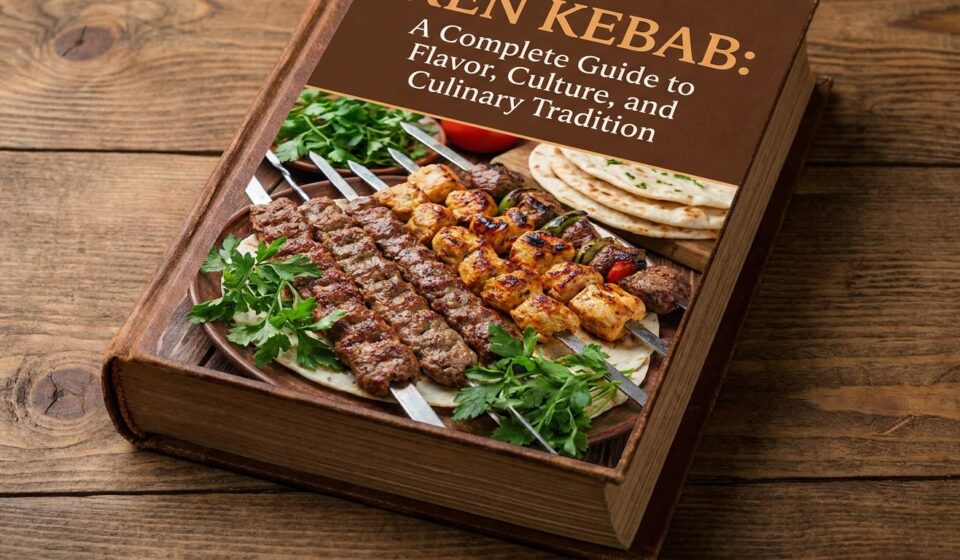

En Kebab represents one of the most recognizable and widely appreciated culinary traditions in global food culture. Known for its rich flavors, diverse preparation methods, and cultural significance, En Kebab has become a popular dish enjoyed across many countries and regions. The appeal of En Kebab lies not only in its taste but also in its adaptability, allowing chefs and food enthusiasts to create countless variations using different meats, spices, vegetables, and cooking techniques.
Food traditions connected to grilled and seasoned meat have existed for centuries, evolving alongside trade routes, cultural exchange, and regional cooking practices. En Kebab reflects this long culinary history while continuing to adapt to modern dining preferences and global food trends. From traditional street food markets to upscale restaurants, the dish remains an important part of contemporary cuisine.
The popularity of En Kebab has expanded significantly in recent decades due to globalization, tourism, and growing interest in international flavors. Today, it is recognized not only as a meal but also as a symbol of cultural identity, hospitality, and culinary creativity.
The Historical Origins of En Kebab
The origins of En Kebab can be traced back to ancient cooking traditions centered around grilling meat over open flames. Historical evidence suggests that early forms of kebab-style cooking existed in regions of the Middle East, Central Asia, and the Mediterranean thousands of years ago.
Nomadic communities often cooked meat using skewers because this method was practical, efficient, and suitable for outdoor environments. Over time, these cooking practices evolved into more refined culinary traditions as spices, herbs, and marinades became integrated into recipes.
Trade routes played a major role in spreading kebab-style cuisine across continents. Merchants and travelers introduced regional ingredients and preparation methods to new cultures, leading to the development of diverse local variations.
En Kebab reflects this historical evolution by combining traditional cooking methods with regional creativity and modern culinary influences. The dish continues to carry historical significance while adapting to contemporary food culture.
Ingredients Commonly Used in En Kebab
One of the defining characteristics of En Kebab is its flexibility regarding ingredients. Different regions and culinary traditions use unique combinations of meat, vegetables, seasonings, and sauces to create distinctive flavors.
Meat often forms the central component of En Kebab. Lamb, beef, chicken, and sometimes seafood are commonly used depending on local preferences and cultural traditions. The choice of meat influences both flavor and texture.
Marinades are equally important because they enhance tenderness and depth of flavor. Common marinade ingredients include yogurt, olive oil, garlic, lemon juice, onions, and various spice blends.
Vegetables are frequently incorporated alongside meat to add freshness and balance. Peppers, onions, tomatoes, mushrooms, and zucchini are popular choices in many variations.
Herbs and spices contribute significantly to the dish’s identity. Cumin, paprika, coriander, black pepper, turmeric, cinnamon, and chili powder are often used to create aromatic and flavorful profiles.
The combination of ingredients allows En Kebab to maintain versatility while reflecting local culinary traditions.
Cooking Techniques Behind En Kebab
The preparation of Kebab involves several cooking methods depending on regional preferences and available equipment. Grilling remains the most traditional and widely recognized technique.
Open-flame grilling provides a smoky flavor and creates the characteristic texture associated with many kebab dishes. The high heat helps seal juices within the meat while producing a slightly charred exterior.
Skewering is another essential aspect of traditional preparation. Meat and vegetables are often threaded onto metal or wooden skewers before cooking. This method allows even heat distribution and convenient serving.
Some variations of Kebab use vertical rotisserie systems, where layers of seasoned meat are slowly cooked as they rotate near heat sources. Thin slices are then shaved off and served fresh.
Oven roasting and pan grilling have also become popular in modern kitchens because they provide convenient alternatives for home cooking while preserving much of the traditional flavor.
The evolution of cooking methods demonstrates how En Kebab continues adapting to modern culinary environments while maintaining its cultural roots.
Cultural Importance of En Kebab
En Kebab holds cultural significance far beyond its role as a meal. In many regions, it represents hospitality, social connection, and traditional celebration.
Family gatherings and community events often include shared meals centered around grilled dishes. Preparing and serving En Kebab can therefore become an important social activity that strengthens relationships and cultural identity.
Street food culture has also contributed significantly to the popularity of En Kebab. Vendors serving freshly prepared kebabs have become common in markets and urban centers worldwide. These environments often create vibrant culinary experiences connected to local traditions and everyday life.
The dish has additionally become associated with multicultural dining experiences. Restaurants specializing in Middle Eastern, Mediterranean, Turkish, Persian, and South Asian cuisines frequently include kebab variations as central menu items.
The widespread popularity of En Kebab highlights the universal appeal of flavorful, grilled cuisine while demonstrating the importance of cultural exchange in global food traditions.
Regional Variations of En Kebab
One of the most fascinating aspects of En Kebab is the wide variety of regional styles developed over centuries. Each variation reflects local ingredients, culinary traditions, and cultural influences.
In Middle Eastern cuisine, kebabs often feature lamb seasoned with aromatic spices and grilled over charcoal. Flatbreads, rice, and yogurt-based sauces frequently accompany these dishes.
Turkish-style kebabs are especially famous for their diversity. Variations include shish kebab, döner kebab, and Adana kebab, each prepared using different meats, seasonings, and cooking techniques.
South Asian versions commonly incorporate bold spice blends, yogurt marinades, and tandoor cooking methods. These kebabs are often served with chutneys and naan bread.
Mediterranean interpretations often emphasize olive oil, herbs, and fresh vegetables, creating lighter, more herb-focused flavor profiles.
Modern fusion cuisine has introduced even more creative variations by combining traditional preparation methods with international ingredients and contemporary presentation styles.
The diversity of regional interpretations demonstrates the adaptability and global influence of En Kebab.
En Kebab in Modern Food Culture
Modern food culture has significantly influenced the evolution of En Kebab. Globalization and digital media have expanded public interest in international cuisine, making traditional dishes more accessible than ever before.
Food delivery platforms and social media have contributed to the popularity of visually appealing and flavorful meals. En Kebab benefits from this trend because its presentation and preparation methods often create strong visual appeal.
Health-conscious dining has also influenced modern interpretations. Many restaurants now offer grilled lean meats, vegetarian alternatives, and fresh ingredient combinations to meet changing dietary preferences.
Plant-based versions using mushrooms, tofu, chickpeas, or vegetable protein have become increasingly common. These alternatives maintain the core flavor principles while appealing to vegetarian and vegan consumers.
The rise of fusion cuisine has further transformed the dish. Chefs increasingly experiment with international spices, sauces, and presentation techniques to create innovative dining experiences inspired by traditional kebab culture.
Modern culinary creativity therefore continues expanding the possibilities associated with En Kebab.
Nutritional Aspects of En Kebab
The nutritional profile of En Kebab varies depending on ingredients, portion sizes, and preparation methods. Grilled meat dishes can provide high levels of protein, essential vitamins, and minerals.
Lean meats such as chicken and certain cuts of beef offer lower fat content while still delivering significant nutritional value. Lamb provides rich flavor along with important nutrients including iron and vitamin B12.
Vegetables commonly included in kebab dishes contribute fiber, antioxidants, and vitamins. Fresh salads and grilled vegetables often complement the meal and improve nutritional balance.
Marinades containing yogurt, herbs, and olive oil may also provide additional health benefits depending on the recipe.
Preparation methods influence nutritional quality as well. Grilling generally requires less oil compared to deep frying, making many kebab dishes relatively lighter when prepared traditionally.
Balanced portions and fresh ingredients can make En Kebab part of a nutritious and satisfying diet.
Restaurant Culture and En Kebab
Restaurants specializing in grilled cuisine and international flavors have helped increase global appreciation for En Kebab. From casual street food vendors to luxury dining establishments, the dish appears in a wide range of culinary environments.
Open kitchens and live grilling stations often enhance the dining experience by allowing customers to observe the preparation process. The aroma of spices and grilled meat contributes significantly to the atmosphere.
Fast-casual dining models have also embraced kebab-inspired meals because they combine convenience with bold flavor. Wraps, rice bowls, and platters featuring grilled meats have become especially popular in urban areas.
Fine dining establishments may reinterpret traditional kebab dishes using premium ingredients and modern presentation techniques. These adaptations demonstrate how classic culinary traditions can evolve while maintaining cultural authenticity.
The versatility of Kebab allows it to thrive in both traditional and contemporary restaurant settings worldwide.
Future Trends Surrounding En Kebab
The future of En Kebab will likely continue reflecting broader changes in global food culture, sustainability, and culinary innovation.
Plant-based alternatives are expected to grow further as more consumers explore vegetarian and environmentally conscious dining options. Advances in food technology may lead to increasingly realistic meat substitutes designed specifically for grilled cuisine.
Sustainable sourcing practices are also becoming more important within the food industry. Restaurants and suppliers increasingly focus on responsible ingredient sourcing and environmentally friendly operations.
Technology may influence dining experiences as well. Digital ordering systems, automated grills, and smart kitchen equipment continue transforming restaurant operations and customer convenience.
Culinary experimentation will likely remain a major trend. Chefs around the world continue blending traditional techniques with modern ingredients to create new interpretations inspired by classic kebab culture.
Despite these changes, the core appeal of En Kebab—flavorful grilled cuisine rooted in cultural tradition—will likely remain timeless.
Conclusion
En Kebab represents far more than a simple grilled dish. It reflects centuries of culinary history, cultural exchange, and evolving food traditions that continue influencing modern cuisine worldwide. From ancient cooking methods to contemporary fusion interpretations, the dish has maintained its popularity through adaptability, flavor, and social significance.
The combination of seasoned meat, aromatic spices, fresh ingredients, and diverse preparation styles allows En Kebab to appeal to a wide range of tastes and culinary preferences. Its presence in street food culture, family gatherings, and international restaurants demonstrates its lasting importance within global dining traditions.
As food culture continues evolving through innovation, sustainability, and digital influence, En Kebab remains a powerful example of how traditional cuisine can adapt successfully to modern lifestyles while preserving its cultural roots and universal appeal.